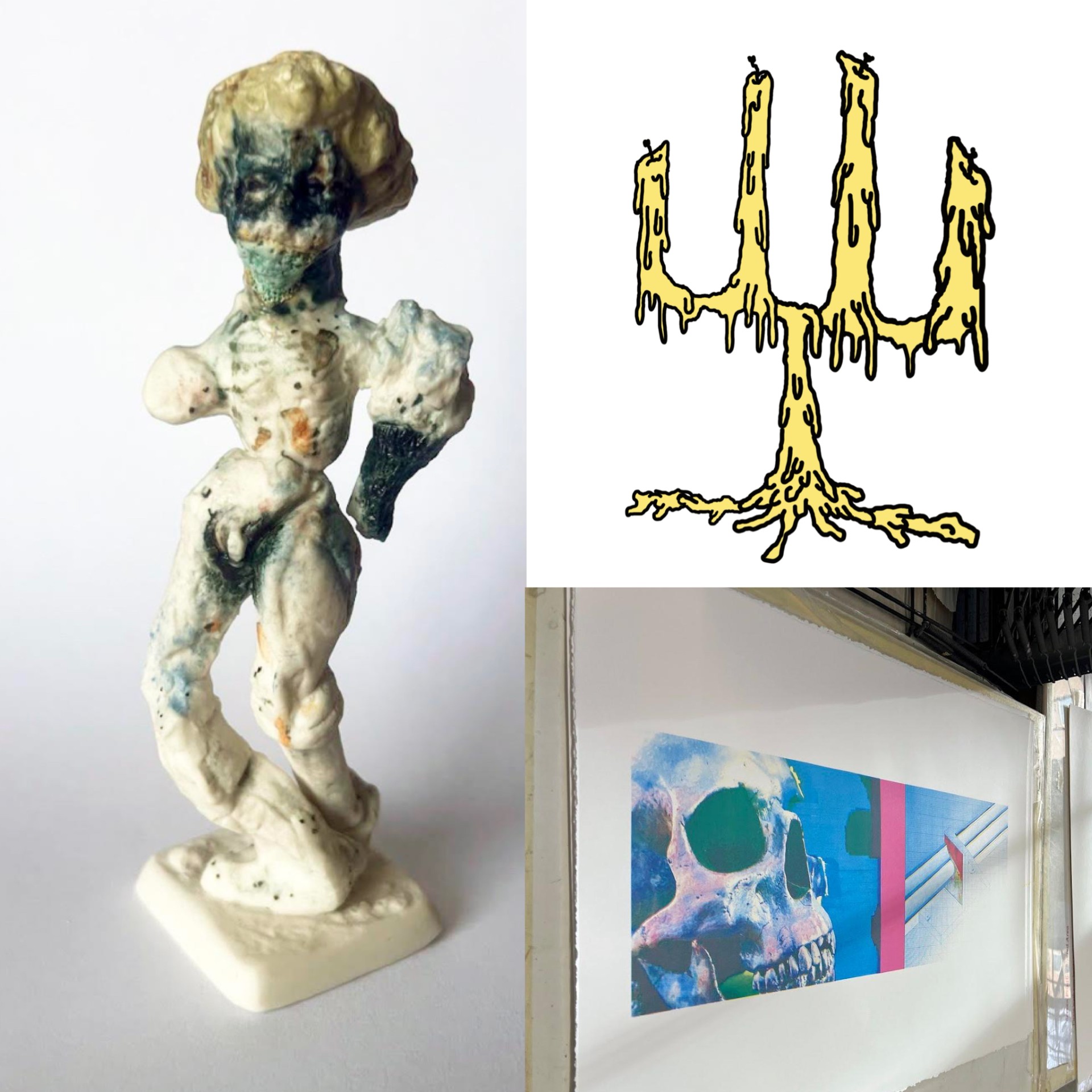
The artists in this application are involved with and run Mutton Fist Press, A disabled led print studio and arts organisation working primarily with disabled artists and communities from lower socioeconomic backgrounds. Mutton Fist press has an exhibition limb called The Crawling Claw Gallery.
Across the works, the common thread is resonance —sonic, architectural and social— echoing through the tower as a site of belief, dissent and survival.
Lisa Cradduck
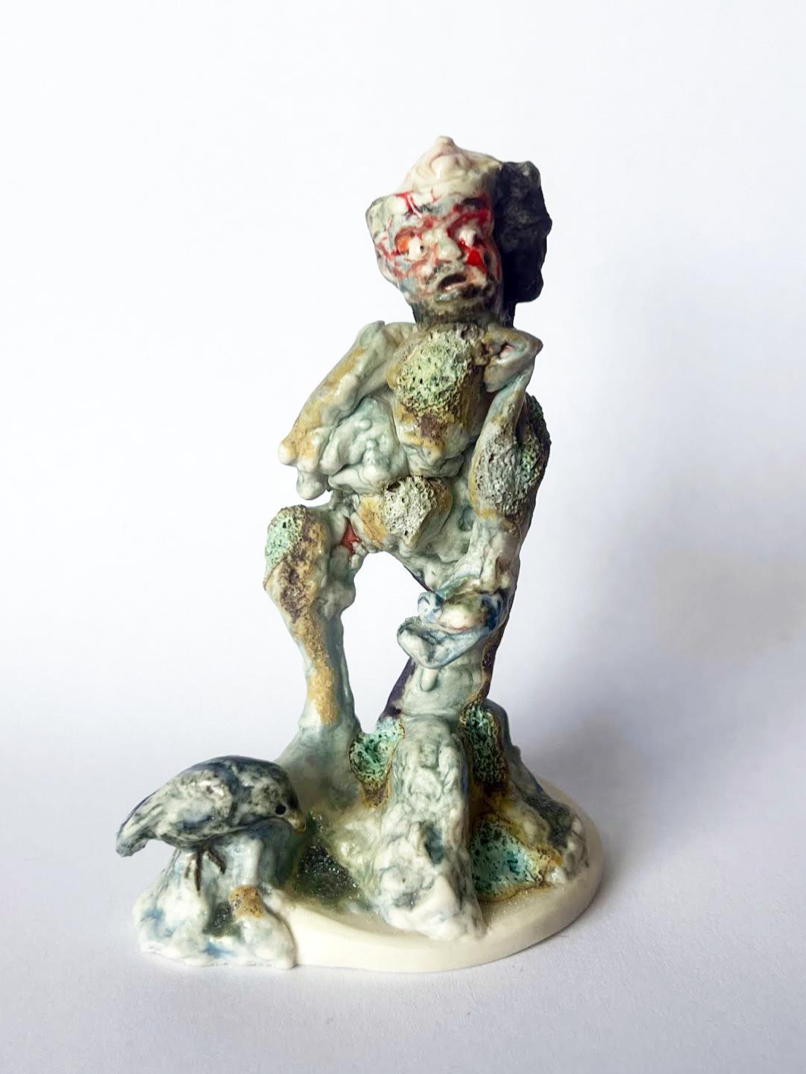
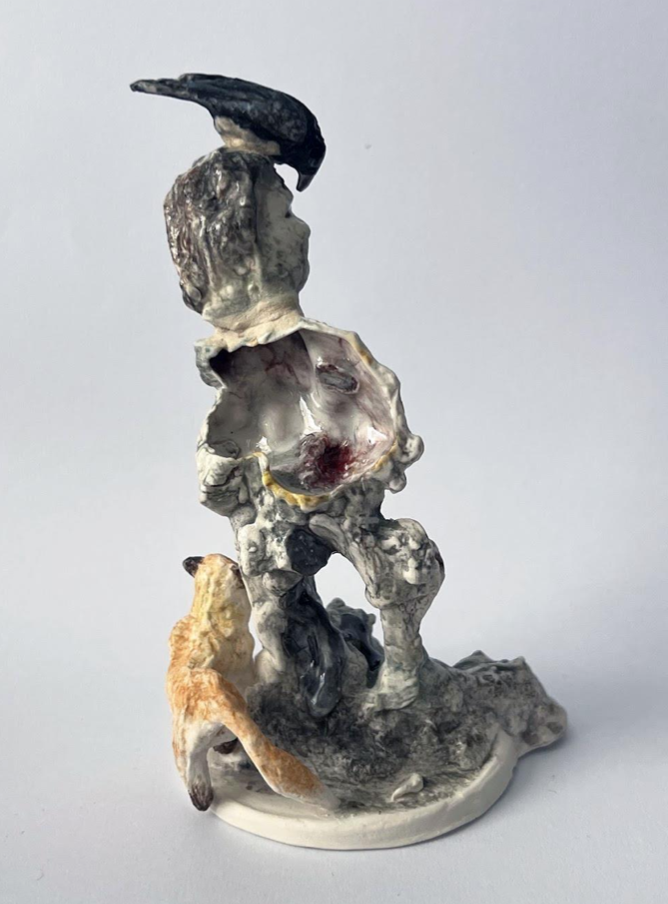
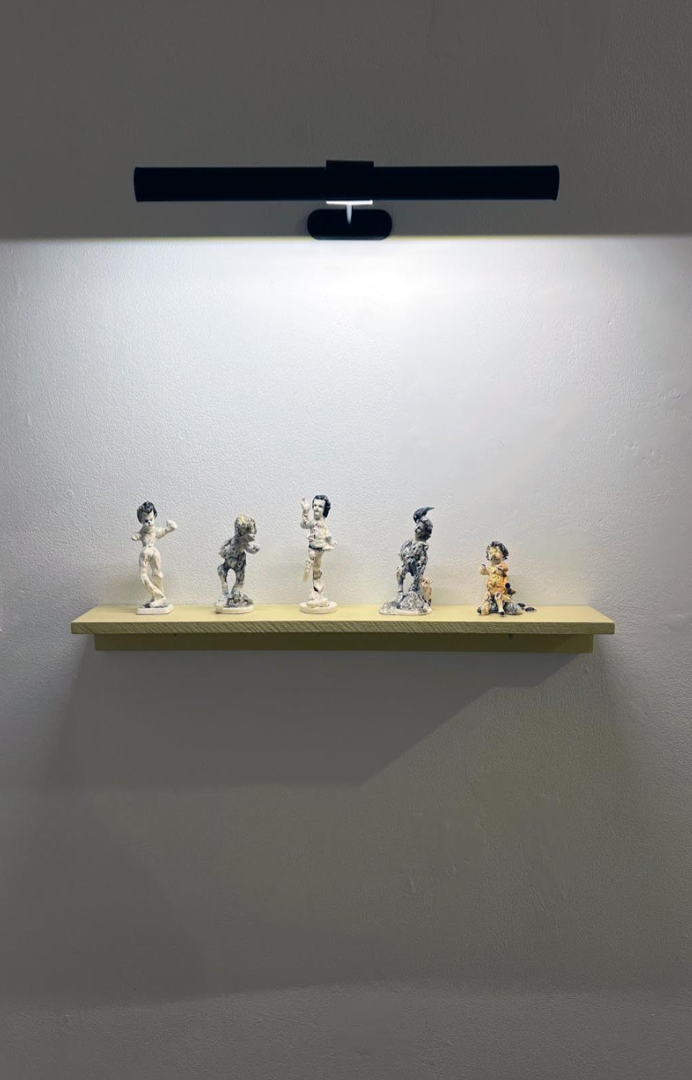
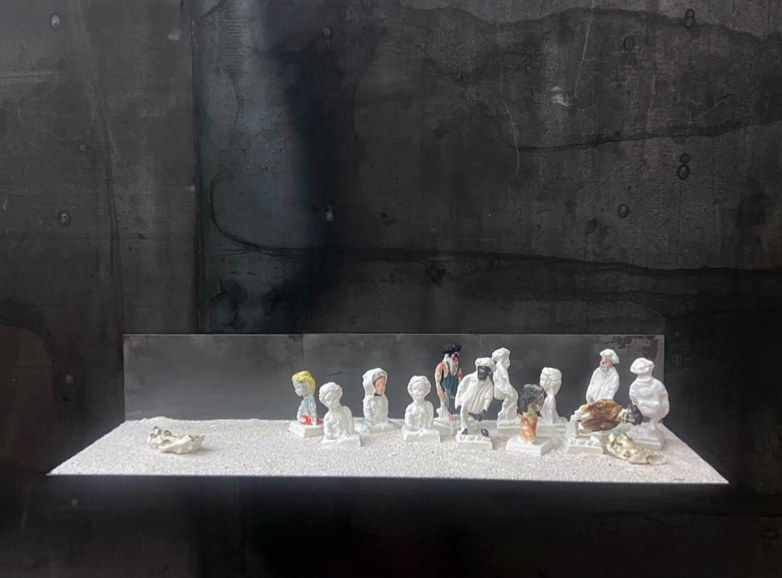
Bitter Pills in porcelain is a growing installation of over a hundred stumbling figurines, tall as teacups, bursting with pustules of volcanic glaze, mottled with pastel decomp and writhing with piped porcelain maggots. Think Royal Doulton goes George Romero. Kintsugi adds a ghoulish perversion of Wabi-sabi to this brittle parade of vengeful, angry, broken things. Casting uncanny the porcelain figurine, a familiar ‘Povo’ artifact, in an exploration of the psychosocial aspects of horror in working- class culture. Modelled on preserved bodies, 17th century wax anatomical models and photographs of neglected corpses, they share beauty in decay and flaunt an uneasy reclamation of the redundant. They are an undead protest movement.
There is a Roman faction of these revolutionary revenants, produced on residency at CRETA Rome in 2025. Echoing marble in porcelain, The zombies reference the truncated torsos, stumps and residum of time-worn and defaced statues. They are sculptures in the scale and souvenir-sentimentality of the mass-produced plaster replicas that populate Rome, then emigrate to chintzy display cabinets, house clearance then landfill. They are a study of the six Roman statues collectively known as Congrega degli arguti, those often literally faceless figureheads of anonymous political dissent. Their pruned bodies resurrected during the renaissance and serving since to express controversial political opinions and critiques of the ruling classes.
Phill Wilson-Perkin
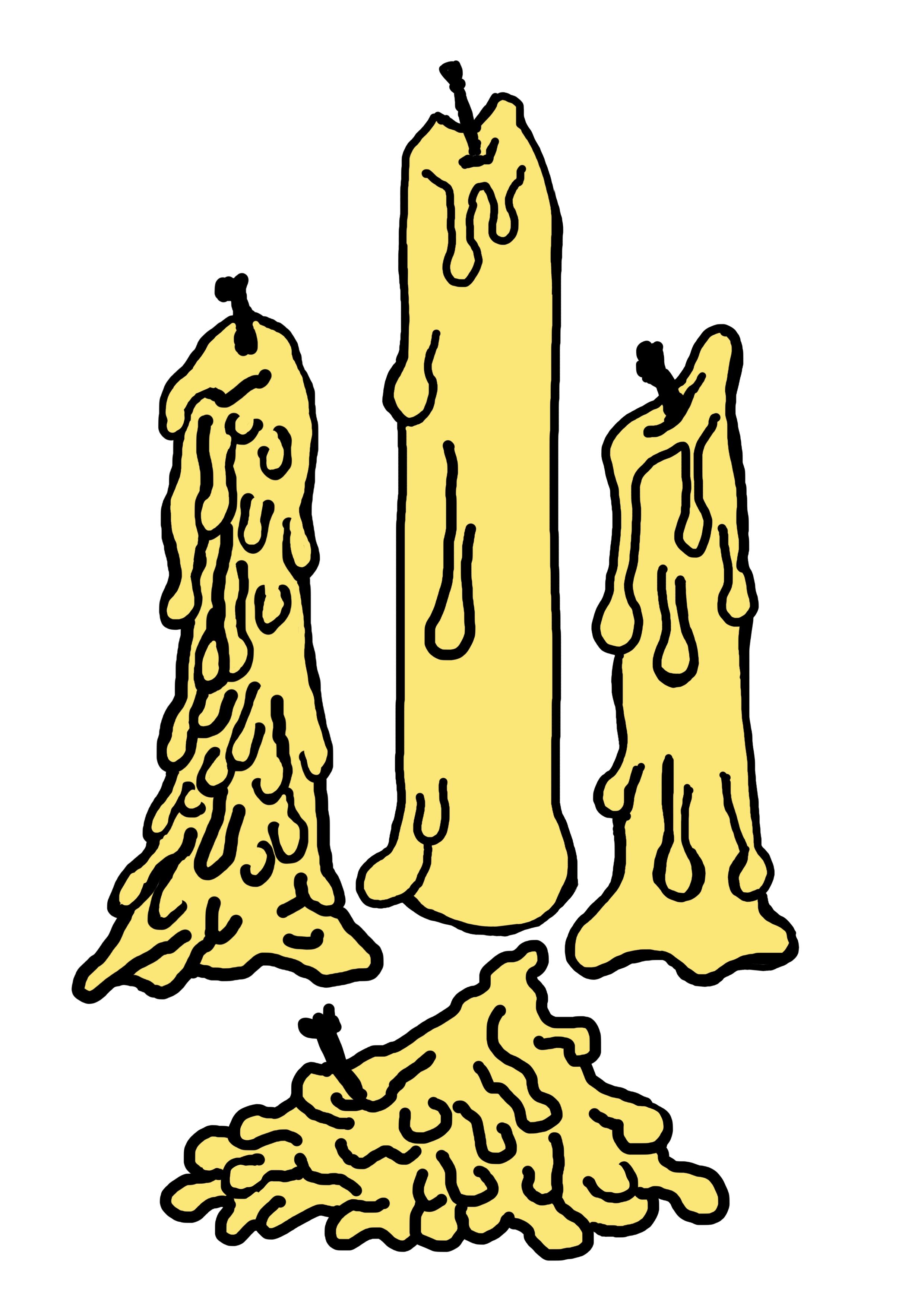
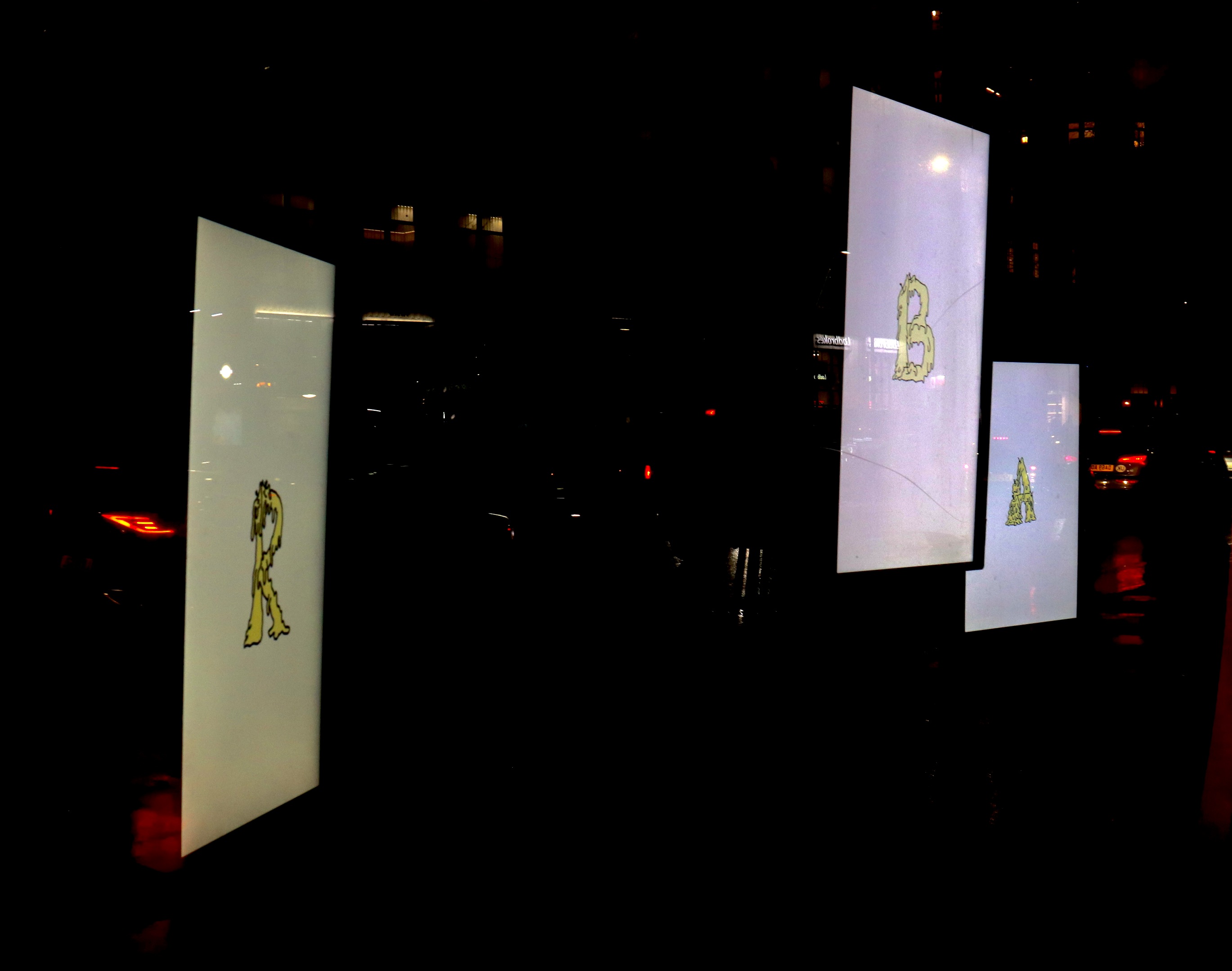
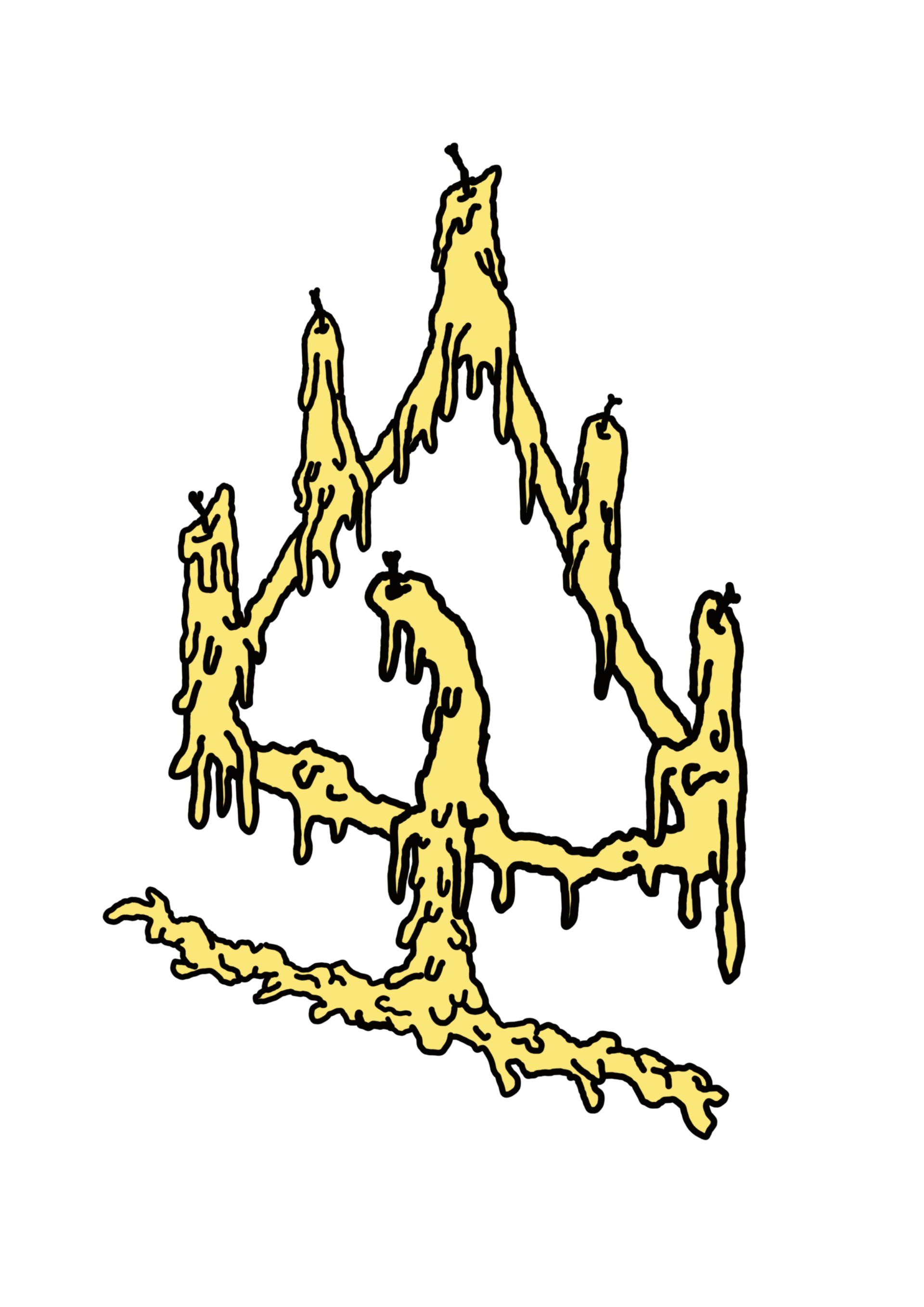
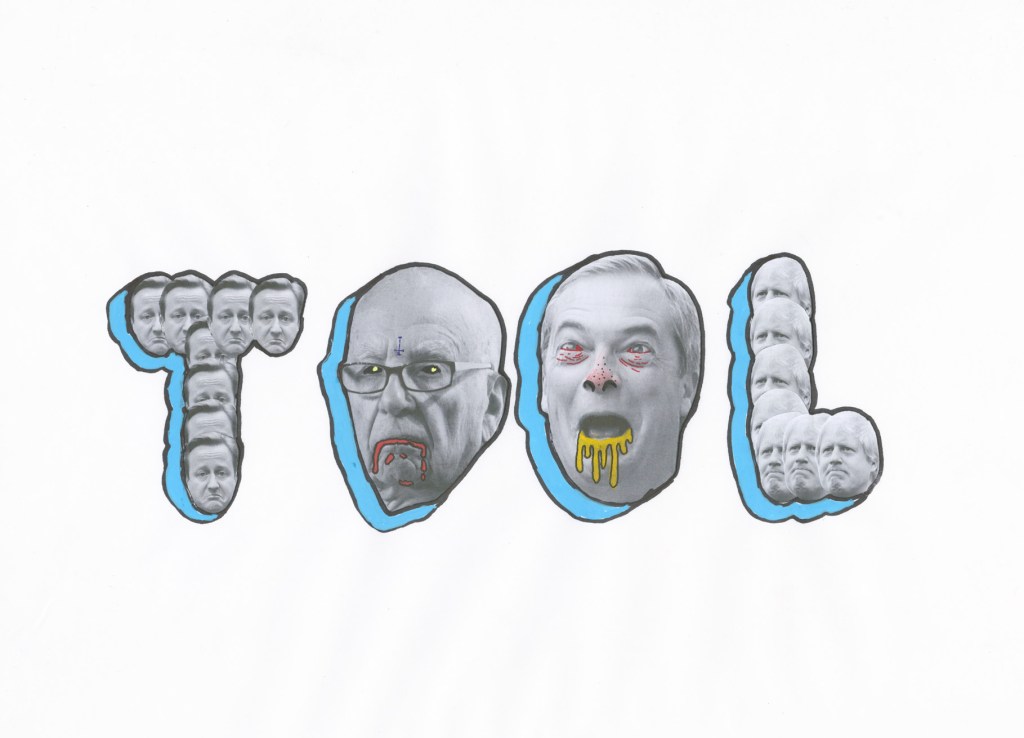
The project is partly inspired by Mike Kelley’s Wages of Sin, a constellation of melted candles that evokes adolescent rites of passage and the uneasy transition into the adult worlds of labour, debt, and social responsibility. Kelley’s work acts as an altar to the anxieties and intensities of youth. In This installation, the childlike, cartoonish candles similarly become ritualistic objects—but here they serve as vessels for political statements that have been increasingly pushed to the margins of “acceptable” public discourse. By presenting these radical slogans through playful, almost naïve forms, the work speaks to how society often infantilises political expression that challenges dominant narratives. Dissenting or uncomfortable opinions are frequently treated as immature, excessive, or unserious—something to be softened, dismissed, or disciplined. The trivialising of expression functions as a quiet form of censorship, narrowing the boundaries of what is considered acceptable to say, demand, or resist. The installation uses a childish aesthetic to invoke these statements as legitimate forms of speech and to question how the trivialisation of dissent functions as a subtle form of censorship. In this way, the work becomes not only ritualistic but also a reflection on the politics of free expression in a climate where “grown-up” politics increasingly flirts with authoritarian and fascist ideologies.
GHareth Berwyn
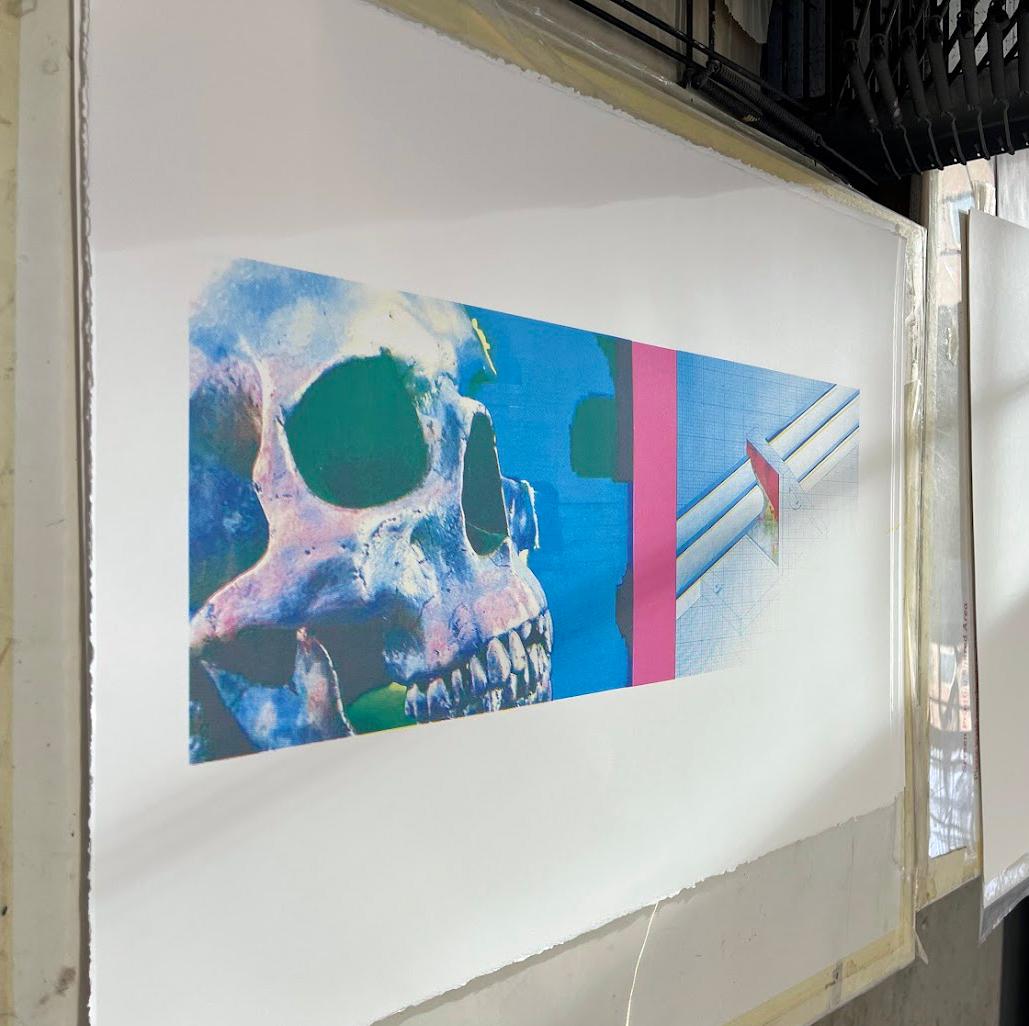
produced while on residency at edinburgh print space
in the style of Jun’ichiro Tanizaki, describe splitting up with someone who you’ve never met
in the style of a hammer horror, describe a building taking the form of someone’s guilt and shame
in the style of a limerick, describe trauma, loss, grief and self-obsession through exorcism
in the style of an elegy, describe banishing someone via exorcism into architecture
a paragraph describing, someone traumatised by the death of someone who they barely know,
two paragraphs describing how to self-medicate through exorcism
from a first person perspective, describe exorcising a spirit into an evil building
Help me write a paragraph describing a ceramic artwork based on a spirit exorcised into
the architecture of a church
Write me a Limerick in the style of J. G. Ballard describing trauma, loss, grief, self-obsession,
someone traumatised by the death of someone who they barely know,
The commonality between the individual works and the Church Towe is resonance. Sonic, architectural and narrative



 Phill Wilson-Perkin